
Standard Chartered expects UAE business activity to pick up speed in the third quarter of 2026, with the bank’s analysis showing the country’s non-oil sector maintained expansion even during the most intense phase of recent regional tension. The forecast points to an accelerating economic environment through the second half of the year.
According to Dubai Chronicle’s reporting on July 7, 2026, the UAE’s June Purchasing Managers’ Index (PMI) stayed above the 50 threshold that separates expansion from contraction, meaning non-oil activity kept expanding while headlines suggested otherwise. Rola Abu Manneh, Standard Chartered’s CEO for UAE, Middle East and Pakistan, identified domestic consumption and investment as the drivers holding growth steady.
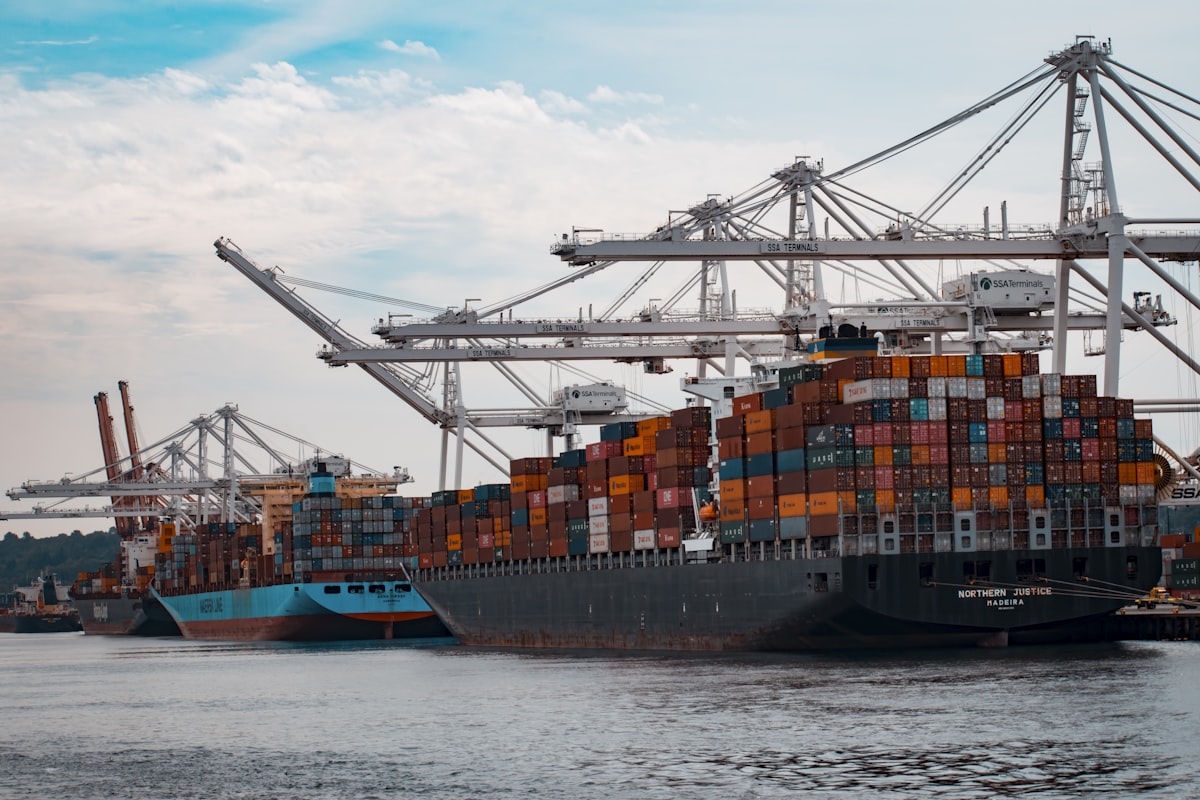
The bank named three forces behind the expected acceleration: softer oil prices, a recovering job market, and governments across the region continuing to invest in diversified trade corridors. Oil exports out of the UAE have already returned to near full capacity following the partial reopening of the Strait of Hormuz, removing a supply-side constraint that had affected trade flows.
The Standard Chartered forecast is supported by banking sector data. Alvarez and Marsal’s Q1 2026 Banking Pulse, covering the UAE’s ten largest listed banks, shows lending growth of 5.8 percent quarter on quarter against deposit growth of 3.8 percent. Operating income rose 7.7 percent, helped by a 23.9 percent jump in non-interest income. The non-performing loan ratio fell to 2.3 percent, and return on equity climbed to 18.7 percent.
Sam Gidoomal of A&M framed the results directly, noting that banks delivered strong results through the first quarter even as geopolitical tension built toward its end. UAE banks remain attractively valued, trading at 7.9 times earnings and 1.6 times tangible book value, a sign that investors are pricing in resilience rather than retreat.
The economic acceleration is also visible in Dubai’s real estate market, which posted record activity in June. DXBInteract recorded 40,022 rental contracts registered across Dubai in June, the highest monthly total on record, with sales reaching 13,933 transactions worth AED33.2 billion. The convergence of credit growth, business expansion, and property demand suggests a synchronized economic upturn.
Adding to the positive outlook, the Dubai Islamic Bank’s first-half results reported on July 15, 2026 showed a 10 percent revenue increase, further confirming the health of the financial sector. With oil exports normalizing, credit expanding, and business confidence holding, the conditions appear aligned for the UAE to accelerate economic growth through the remainder of 2026.