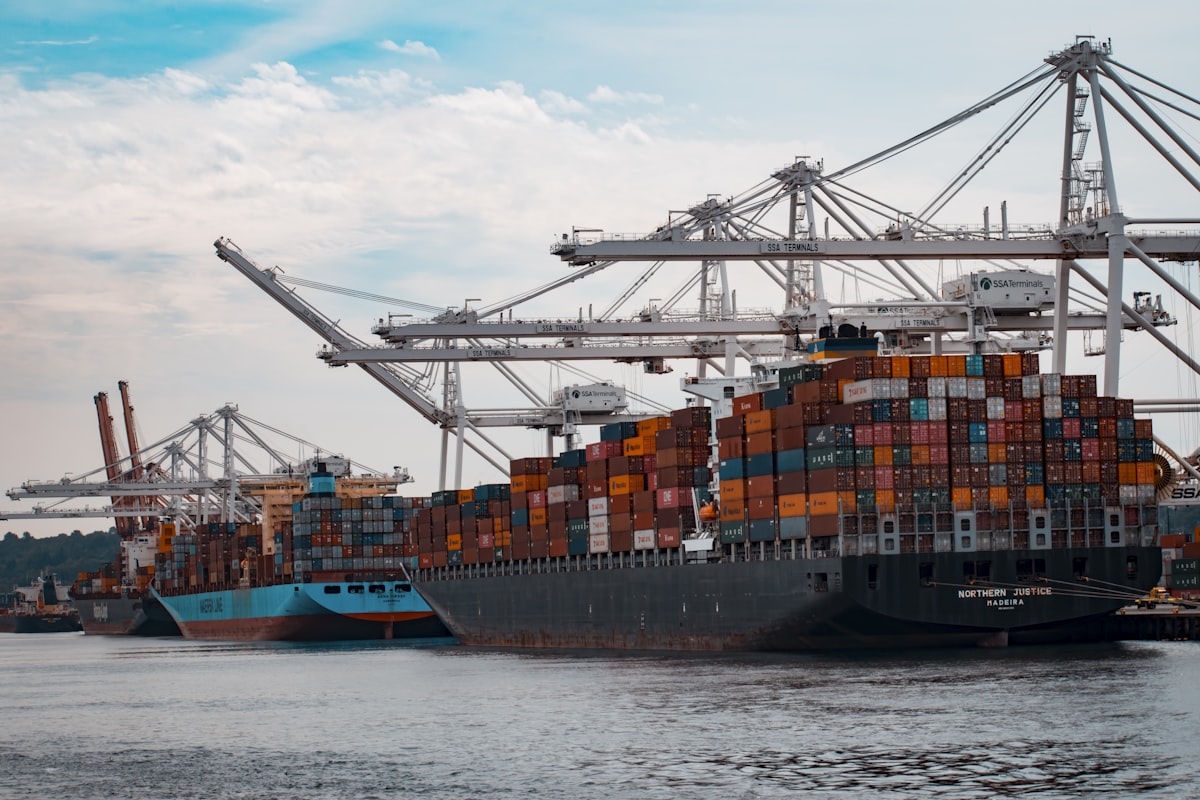

The UAE Fuel Price Committee has announced a significant reduction in retail petrol and diesel prices for July 2026, ending four consecutive months of increases that saw fuel costs surge more than 60 percent since February. The new rates, effective from July 1, reflect a sharp decline in global oil prices as shipping through the Strait of Hormuz returns to pre-war levels.
Under the revised rates, Super 98 petrol will be priced at Dh3.40 per litre, down from Dh3.95 in June. Special 95 petrol drops to Dh3.29 per litre from Dh3.83, and E-Plus petrol falls to Dh3.21 per litre from Dh3.76. Diesel prices have seen the largest reduction, falling to Dh3.60 per litre from Dh4.33 in June. Gulf News confirmed the official announcement from the Fuel Price Committee.
The reductions come as Brent crude has fallen from highs above $106 per barrel in May to near pre-war levels in the low $70s. Gulf News analysis attributes the decline to recovering shipping traffic through the Strait of Hormuz, which was disrupted during the Iran conflict that began on February 28. Vessel traffic has returned to near pre-war levels, according to CNN and MarineTraffic data.
For consumers and businesses, the price reductions provide meaningful relief. A 60-litre tank that cost approximately Dh237 to fill with Super 98 in June will now cost around Dh204. For businesses in the transport, logistics, and delivery sectors, the diesel price reduction from Dh4.33 to Dh3.60 per litre represents a significant decrease in operating costs. Arabian Business notes that lower fuel prices will reduce costs across supply chains, potentially easing inflationary pressure on goods and services.
However, analysts caution that risks remain. The ceasefire between the US and Iran is based on a 60-day negotiation period, and any breakdown in talks could reignite supply concerns. Israel’s recent air strike in southern Lebanon, the first since the latest ceasefire, demonstrates how quickly geopolitical tensions can re-emerge in the region.
The UAE exited OPEC and OPEC+ effective May 1, 2026, after six decades of membership, giving the country greater flexibility in setting its own production and pricing strategies. The decision means UAE fuel prices are now even more directly linked to global market conditions, making monthly adjustments more responsive to supply and demand dynamics.