
The Emirates Group reported a profit before tax of Dh4.1 billion for the six months to September 30, 2026, keeping both Emirates airline and its airport services subsidiary dnata in the black despite intermittent airspace restrictions, flight disruptions and a sharp rise in fuel costs, according to Gulf News.
The result marks a 66 percent decline from last year’s record first half, and the pressure behind it is visible in the details. Group revenue fell 12 percent to Dh66.2 billion from Dh75.4 billion, and profit after tax dropped to Dh3.6 billion, also 66 percent lower. Global jet fuel prices doubled compared with the same period last year, and fuel accounted for 34 percent of the airline’s operating costs.
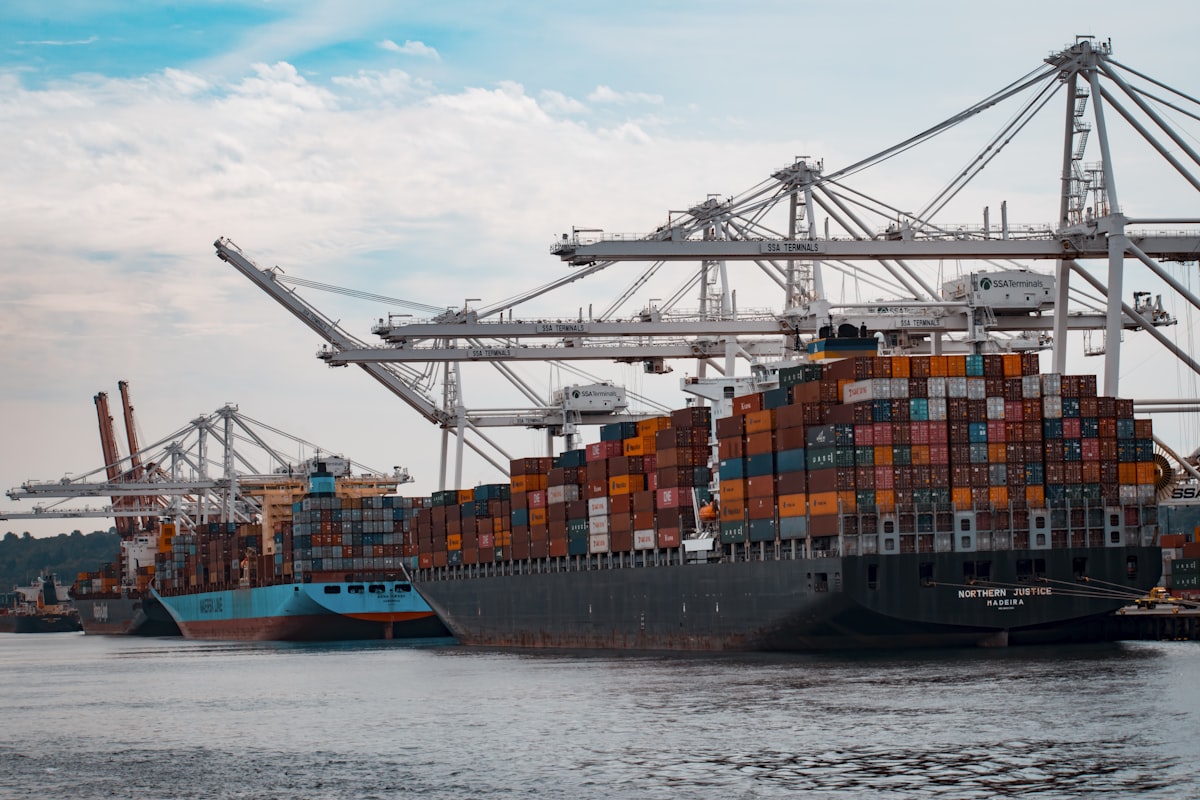
Cargo was the decisive offset. Emirates SkyCargo moved 1.2 million tonnes of freight in the first half of 2026-27, only 1 percent below a year earlier, while cargo revenue surged 52 percent. The regional conflict reduced available airfreight capacity even as disruption to maritime shipping pushed some shippers toward air alternatives, and Emirates captured the extra demand. The airline added five Boeing 777 freighters, deployed its first passenger-to-freighter conversion, gained Almaty and Zhengzhou as freighter destinations and introduced dedicated freighter services to more than 15 existing markets.
A fuel hedging programme did the rest of the defensive work. Emirates’ fuel costs before hedging gains rose 60 percent even as it cut fuel uplift 12 percent on a reduced schedule, but gains of Dh7.1 billion from its fuel-price risk management strategy reduced the net increase to 13 percent. Overall operating costs including fuel fell 2 percent, broadly tracking reduced operations.
Passenger operations remain the soft spot. Airspace closures linked to the regional war forced reroutings and reduced flying, cutting available seat capacity and denting the connecting traffic that feeds Dubai International Airport. Dnata’s international footprint, spanning ground handling and travel services across multiple continents, provided additional stability for the group.
The half-year figures underline Dubai’s exposure to geopolitics and its hedging against it. Aviation contributes roughly a third of Dubai’s economy when related trade and tourism are counted, and the group’s ability to stay profitable through a disrupted half shows why carriers with diversified cargo and services arms have endured this cycle better than pure passenger operators.
The half-year numbers also carry lessons for the wider Gulf aviation sector. Emirates’ cargo strength came partly from maritime disruption, a reminder of how quickly shipping risk transfers to air freight when sea routes are threatened. Shippers who switched to air during the disruption paid premium rates, and carriers with freighter capacity, rather than belly cargo alone, captured most of that upside. Dubai’s position as the world’s largest international cargo hub by tonnes handled amplifies the effect.
Hedging decisions made months ago proved their worth. Many airlines reduced hedging during the low-price era, leaving them fully exposed when fuel doubled after the February escalation; Emirates’ book of fuel-price risk management delivered Dh7.1 billion in gains that softened a 60 percent cost spike into a 13 percent net increase. The policy will face a new test in the second half as fuel markets recalibrate.
Shareholders and the Dubai government, which owns the group, will weigh the 66 percent profit decline against the alternative outcomes visible elsewhere in the industry, where several carriers in the region curtailed operations entirely during the same period. Emirates maintained its network skeleton, protected connecting traffic through Dubai International Airport and enters the winter season with its schedule largely restored.