The number of American companies registered at DMCC, Dubai’s largest free zone, has reached 740, while trade between the UAE and the United States has climbed to $39.1 billion, according to figures reported by Forbes Middle East on Monday. The milestone underscores the depth of commercial ties between the two economies, which have been reinforced by trade policy shifts and by Dubai’s position as the Gulf’s main hub for multinationals.
DMCC, the Dubai Multi Commodities Centre, is the emirate’s flagship free zone for commodities, trading, and services companies, and it has repeatedly been ranked among the world’s best free zones by foreign direct investment metrics. The growth of its American contingent reflects a pattern seen across its membership: the free zone has reported successive national-company growth announcements in recent years, including double-digit increases in Chinese and Italian member companies tracked by the Emirates News Agency, and American firms are following the same trajectory.
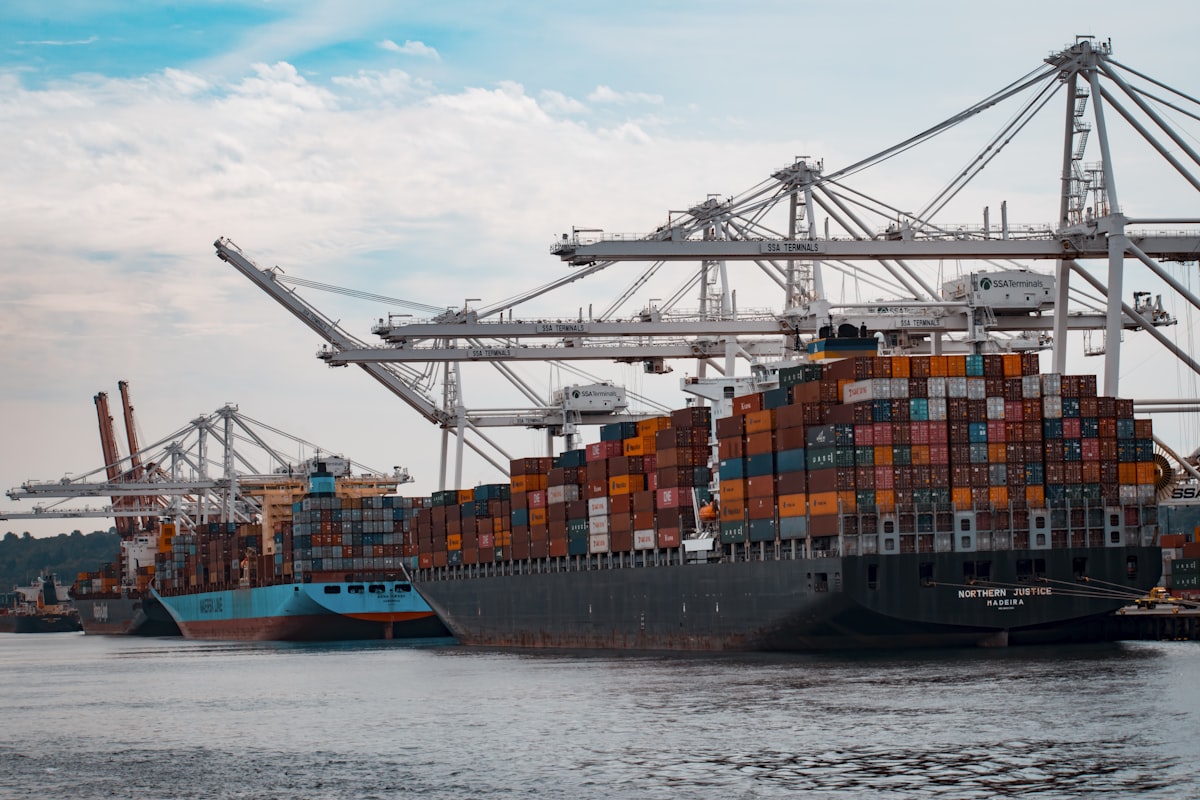
The $39.1 billion trade figure between the UAE and the US reflects two-way flows of goods and services, with American aircraft, machinery, technology, and food products moving into the UAE and Emirati energy, aluminum, and re-export trade moving outward. The UAE has for years been the largest export market for American goods in the Middle East, a position supported by direct flights, a large American expatriate business community, and increasingly by Emirati sovereign and corporate investment in the US.
Dubai’s free zones have been the main landing point for that activity. Companies registering with DMCC gain 100% foreign ownership, zero personal income tax, and access to Dubai’s logistics and financial infrastructure, which is why regional headquarters of American commodity traders, engineering firms, and professional services companies cluster there. The 740-company figure gives a sense of scale for one free zone alone, and it does not include American firms operating elsewhere in the emirate or across the other emirates.
The growth also tracks with the broader expansion of US-Gulf economic diplomacy. Washington has spent recent years deepening commercial ties with the Gulf states through investment frameworks and technology partnerships, and American companies in artificial intelligence, data infrastructure, and energy services have been among the most aggressive in securing regional expansion. Dubai, with its time zone bridging Asian and European trading hours, functions as the operational base for many of those regional teams.
For DMCC, the American milestone is a marketing asset. The free zone has built its growth model on recruiting national business communities, promoting itself through trade missions, national business councils, and dedicated onboarding services for foreign companies entering the region. A rising American roster strengthens the case that Dubai is a durable base for US businesses hedging between Asian demand and European markets.
The commercial relationship between the UAE and the US has continued to broaden beyond trade into investment. Emirati entities have been prominent investors in American real estate, technology ventures, and energy assets, while US firms have taken stakes in Gulf industrial projects. Against that backdrop, the growth of DMCC’s American membership to 740 companies reads as a vote of confidence in Dubai’s business environment from one of the world’s most internationally active corporate communities.
The figures, reported by Forbes Middle East on Nov. 9, arrive as Dubai’s broader economic program continues to emphasize foreign direct investment and company formation as pillars of the emirate’s growth, with free zone registrations among the most closely watched indicators of that strategy’s success.